
Blog
Woven Air: The Lost and Found Heritage of Dhakai Muslin

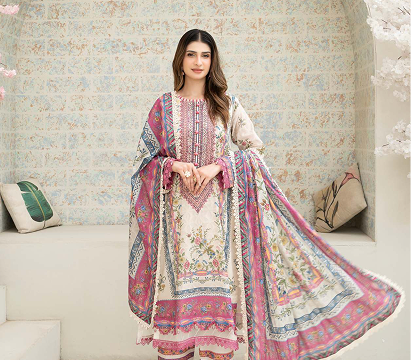
There was once a fabric so fine, so unimaginably delicate, that popular folklore claimed a sudden rain shower would render its wearer seemingly naked. This was Dhakai Muslin—a textile marvel that draped Mughal emperors, enchanted European aristocrats like Marie Antoinette, and found its way into the wardrobe of Jane Austen. For centuries, the Ganges Delta was the epicenter of this exquisite craft, bringing immense prosperity to what is now Bangladesh. But for over 170 years, the art of weaving true muslin was considered entirely extinct.
The Rise and Fall of a Global Treasure
At its peak, Dhakai muslin was hand-spun from a specific variant of cotton called Phuti karpas, which grew exclusively along the banks of the Meghna River. Weavers crafted yarns so breathtakingly fine that a yard could fetch up to £400 in the British era. The decline began in the late 18th century. The arrival of the British East India Company, coupled with the Industrial Revolution’s cheaper, machine-spun textiles and heavy European tariffs, decimated the local cottage industry. The specialized cotton plant vanished, and the arduous, ancestral techniques of weaving “woven air” were lost to time.
The Greatest Botanical Detective Story
The quest to bring muslin back from the dead reads like a thriller. In 2014, the Bangladeshi government initiated a massive project to resurrect the fabric. Botanists had to hunt for a plant believed to be wiped from the face of the earth. Researchers scoured Linnaeus’s 18th-century botanical records and visited the Victoria and Albert Museum in London to analyze the DNA of centuries-old muslin.
In a miraculous breakthrough, they found a wild plant in the Kapasia region of Bangladesh that was a 100% DNA match for the legendary Phuti karpas.
Reviving the Art
Finding the cotton was only half the battle. The project then had to find artisans capable of spinning and weaving threads fine enough to pass through a signet ring. Seeking out traditional Jamdani weavers from rural villages, the project painstakingly retrained women to spin high-count yarns. Today, not only has true Dhakai muslin been reborn—earning a Geographical Indication (GI) certification in 2021—but the revival is also providing lucrative, dignified livelihoods for hundreds of rural female artisans. Muslin is no longer just a museum relic; it is a living, breathing testament to Bangladesh’s unbreakable heritage.